
This is a test article for the APEX website. Follow the link to see what a news article will look like when posted directly to this website. The other links on this page are external to other news website.
Read more...

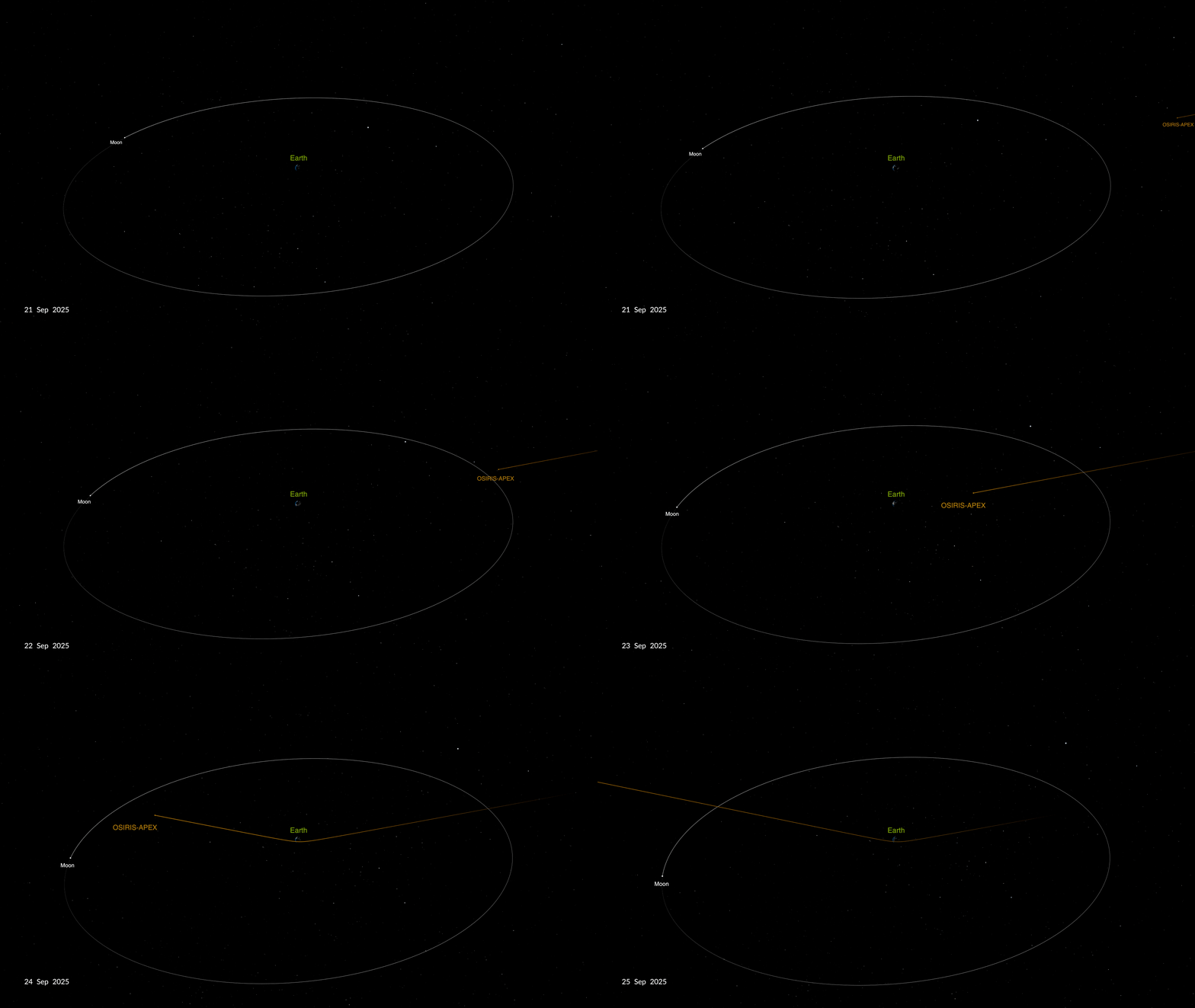
At 1:00 p.m. EDT on Tuesday, Sept. 23, NASA’s OSIRIS-APEX (Origins, Spectral Interpretation, Resource Identification, and Security – Apophis Explorer) spacecraft flew within 2,136 miles (3,438 kilometers) of Earth.
Read more...

At 12:56 p.m. EDT on Tuesday, Sept. 23, NASA’s OSIRIS-APEX (Origins, Spectral Interpretation, Resource Identification, and Security – Apophis Explorer) spacecraft will fly within about 2,100 miles (3,400 kilometers) of Earth. Passing about 100 times closer to Earth than the Moon’s orbit, the spacecraft will perform a gravity assist maneuver to alter the spacecraft’s direction and speed. In comparison, satellites in low Earth orbit are typically at altitudes up to about 1,200 miles (2,000 kilometers) above the surface. Read more...
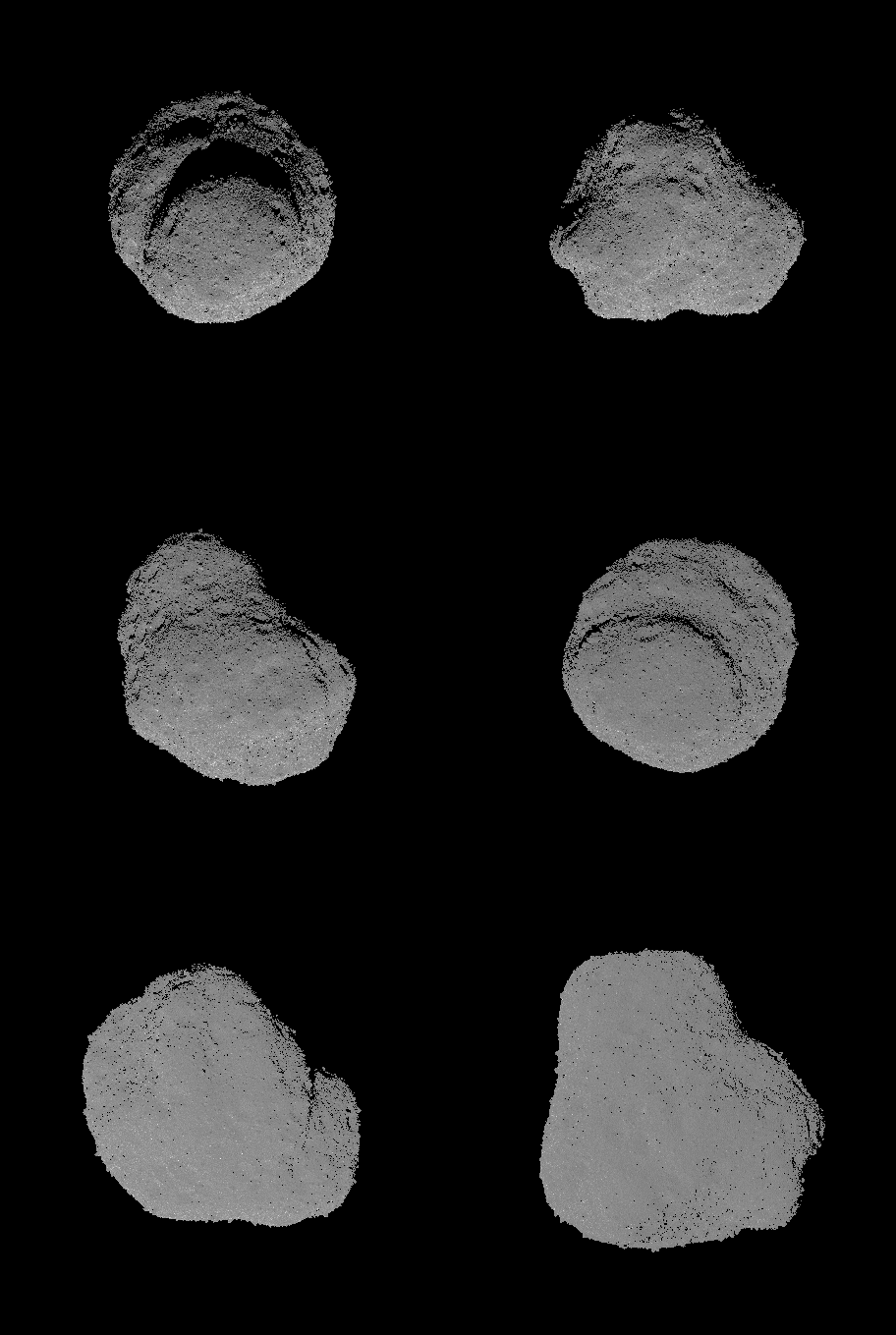
On Friday the 13th (yes, really) of April 2029, Earth will avoid an apocalyptic event by an astronomical hair’s breadth as the asteroid Apophis, streaks by. It will come closer to Earth than the Moon — much closer in fact. It will come between us and the satellites that bring us radio, television and military intelligence. Read more...
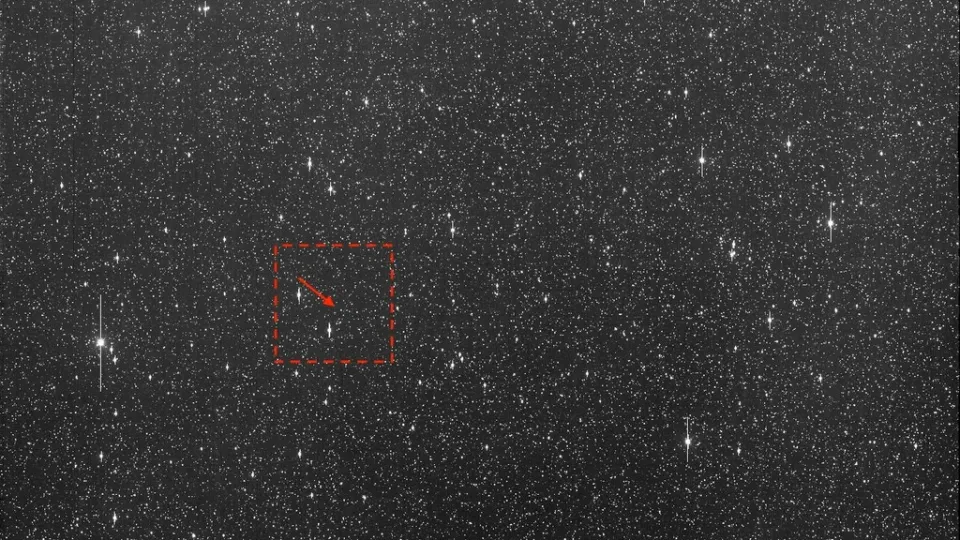
To be clear, the asteroid is not going to hit Earth — not in our lifetime nor our children’s lifetimes, anyway. Read more...
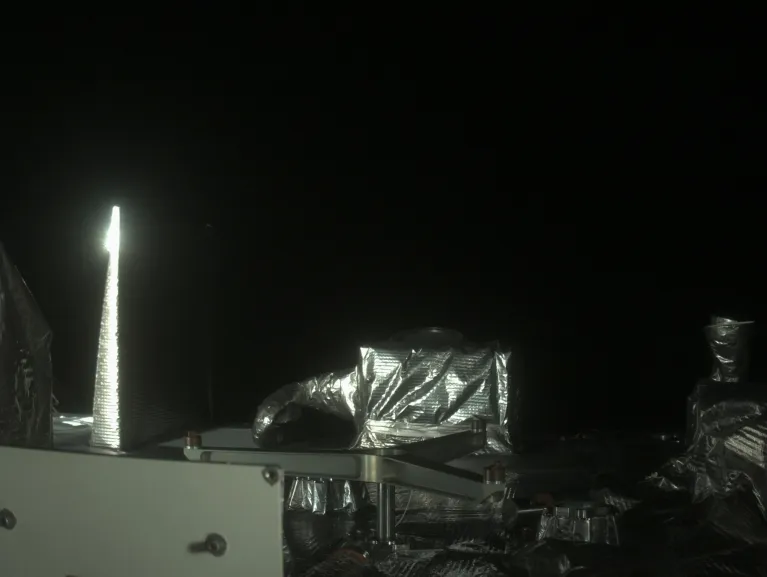
Mission engineers were confident NASA’s OSIRIS-APEX (Origins, Spectral Interpretation, Resource Identification – Apophis Explorer) spacecraft could weather its closest ever pass of the Sun on Jan. 2, 2024. Their models had predicted that, despite traveling 25 million miles closer to the heat of the Sun than it was originally designed to, OSIRIS-APEX and its components would remain safe. Read more...
At the end of a long-haul road trip, it might be time to kick up your feet and rest awhile – especially if it was a seven-year, 4-billion-mile journey to bring Earth a sample of asteroid Bennu. Read more...
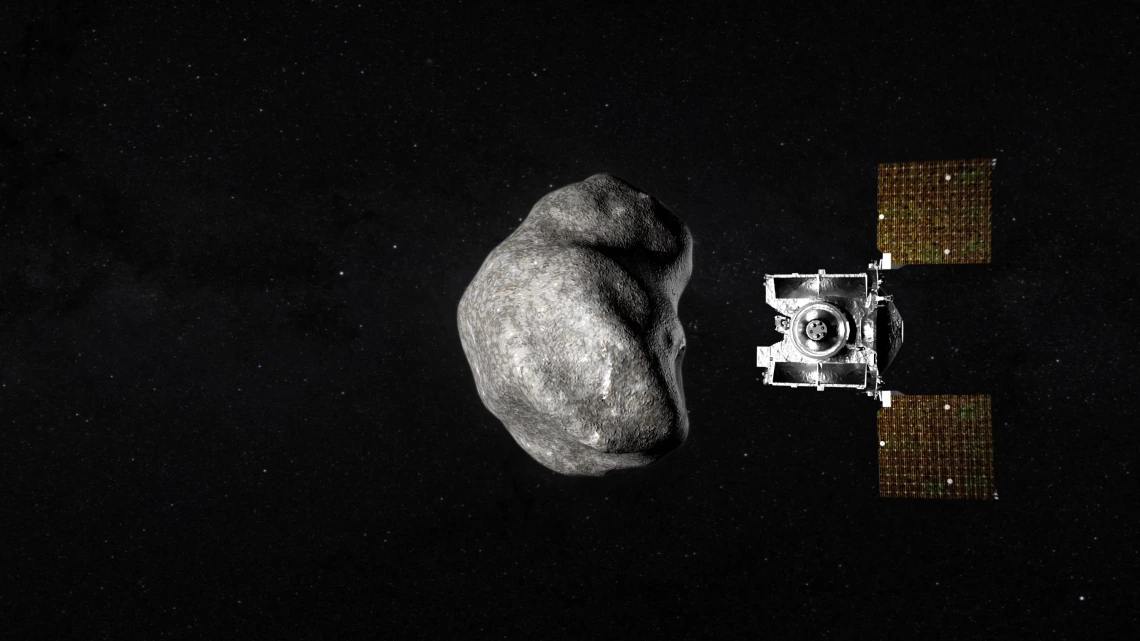
At the end of a long-haul road trip, it might be time to kick up your feet and rest awhile – especially if it was a seven-year, 4-billion-mile journey to bring Earth a sample of asteroid Bennu. Read more...
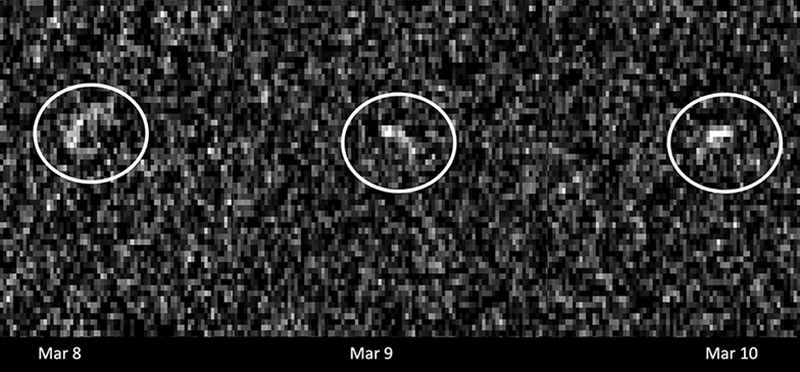
On Jan. 2, the probe will kick off the first of its six close approaches to the sun. Read more...

After seven years in space and over 4 billion miles traveled, NASA's OSIRIS-REx mission successfully collected and delivered the first U.S. sample from a near-Earth asteroid. Yet, after all this time and travel, the spacecraft will not retire. Read more...

NASA's OSIRIS-REx mission just made history as the first U.S. mission deliver a piece of an asteroid to Earth. The mission, led by the University of Arizona, launched in 2016 and has traveled over 4 billion miles before returning home. Now its next journey begins. Read more...
The OSIRIS-REx mission's aim was more than just returning 60 grams of rocks and dust from Bennu. It also had the explicit goal of training the next generation of scientists. Read more...